Influenza A and COVID-19 shed active virus 24–48 hours before a single symptom appears. By the time your staff member calls out sick, they've already worked a full shift — moving through common areas, handling residents, sharing the air. A trained detection dog identifies that pre-symptomatic viral signature in real time. Before one resident is exposed. Before one quarantine begins.
The CDC classified the 2025–2026 influenza season as moderately severe. Nursing home hospitalization rates peaked at 54.1 per 100,000 residents during the week of January 3, 2026. Influenza A(H3N2) dominated — the same strain with the highest complication rates in elderly populations.
CMS simultaneously expanded Civil Monetary Penalty enforcement authority. A single Immediate Jeopardy citation during a preventable outbreak now risks $20,000+ per day in penalties — on top of the $620–$710 per empty bed, per day, during a quarantine.
Source: CDC FluView Weekly Surveillance Reports, 2025–2026 season (NHSN). CMS Final Rule CMS-1827-F, August 2025. MedPAC March 2025 Report to Congress.
Respiratory viruses threaten your facility
every month of the year.
No safe month.
Relative activity · CDC FluView, NHSN Nursing Home Respiratory Pathogen Module, CDC COVID Data Tracker · 2022–2026
Respiratory viral infections alter host cellular metabolism through oxidative stress, immune activation, and altered lipid metabolism. These physiological changes release volatile organic compounds (VOCs) through skin secretions and breath.
A trained detection dog identifies that VOC signature — not the pathogen itself. That distinction matters: the dog can screen before symptoms emerge, before any test is ordered, in real time as residents move through the facility.
Peer-reviewed basis: Meller et al., Annals of Epidemiology 2023 (systematic review); Aksenov et al., ChemBioChem 2014 (influenza VOC profiles).
"Dogs can evaluate individuals quickly in real-time settings, providing results while laboratory tests are still being processed."Meller S, et al. — Annals of Epidemiology, 2023
Systematic reviews across controlled and operational studies consistently report:
Influenza A virus infection has been shown to produce distinct, subtype-specific VOC signatures in cell cultures — providing the biochemical basis for extending canine detection beyond COVID-19.
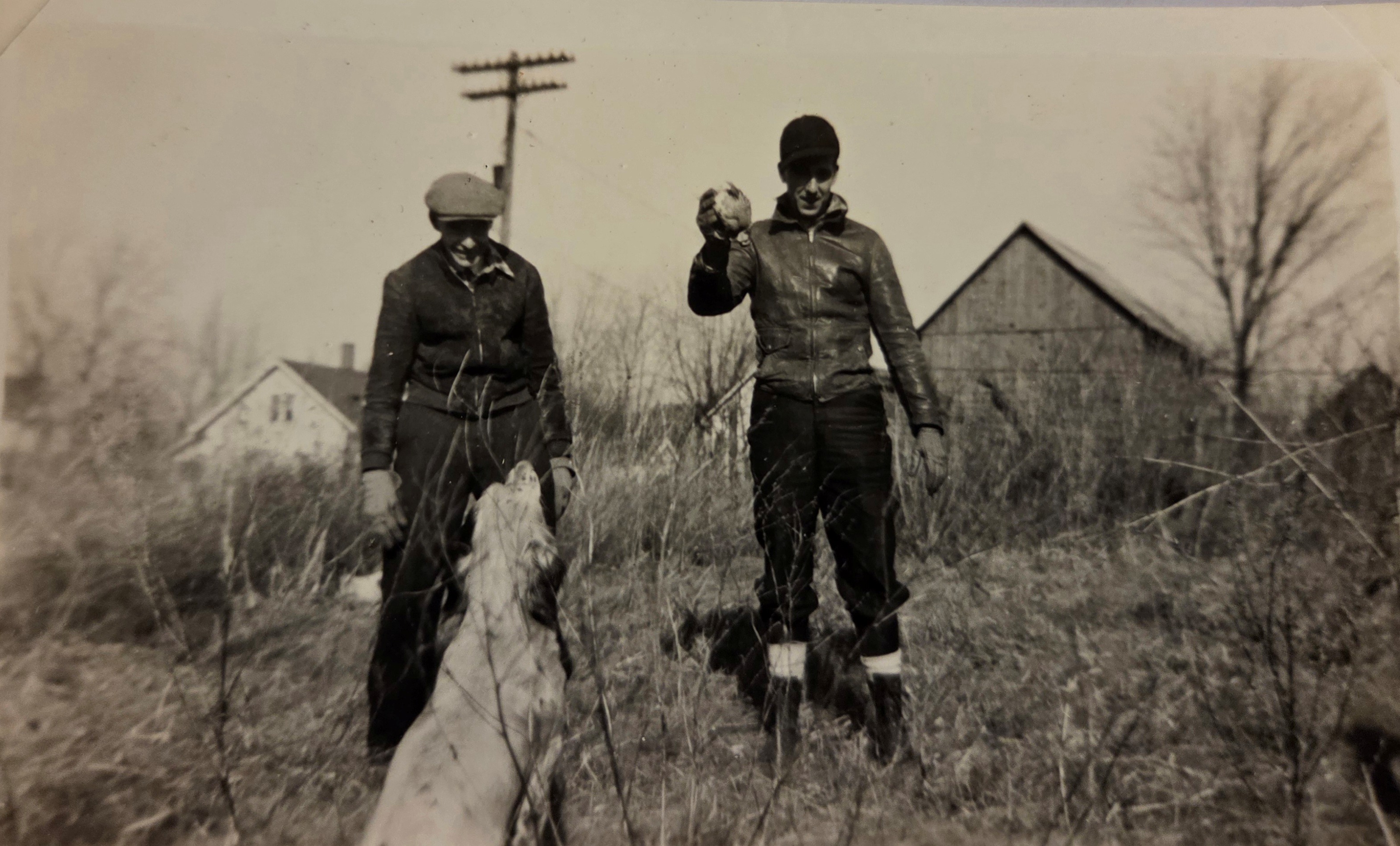
Every dog in our program is a Labrador Retriever drawn from Labncroft Partnership's four concurrent pedigree lines — a family breeding tradition stretching back to the late 1880s. No dog enters our program from a commercial kennel or open market source.
The detection dogs used in Advanced BioAnalytic's programs are not commercially sourced. They are purpose-selected and raised within a 100+ year working dog tradition. Labncroft received the 2026 Top Breeder award.
Dane Maltsberger, RRT — Registered Respiratory Therapist and AKC Scent Work competitor — leads every program from the intersection of respiratory medicine and canine olfactory science.
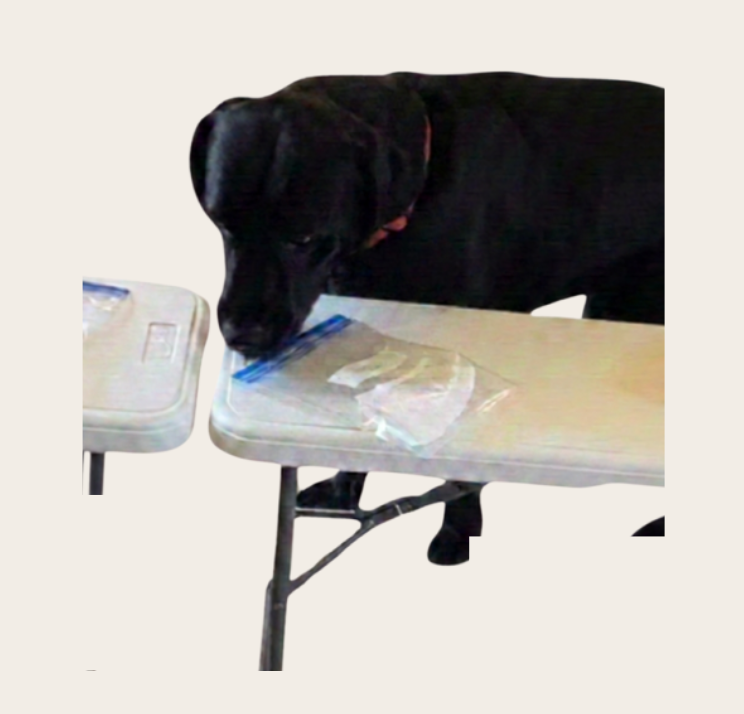
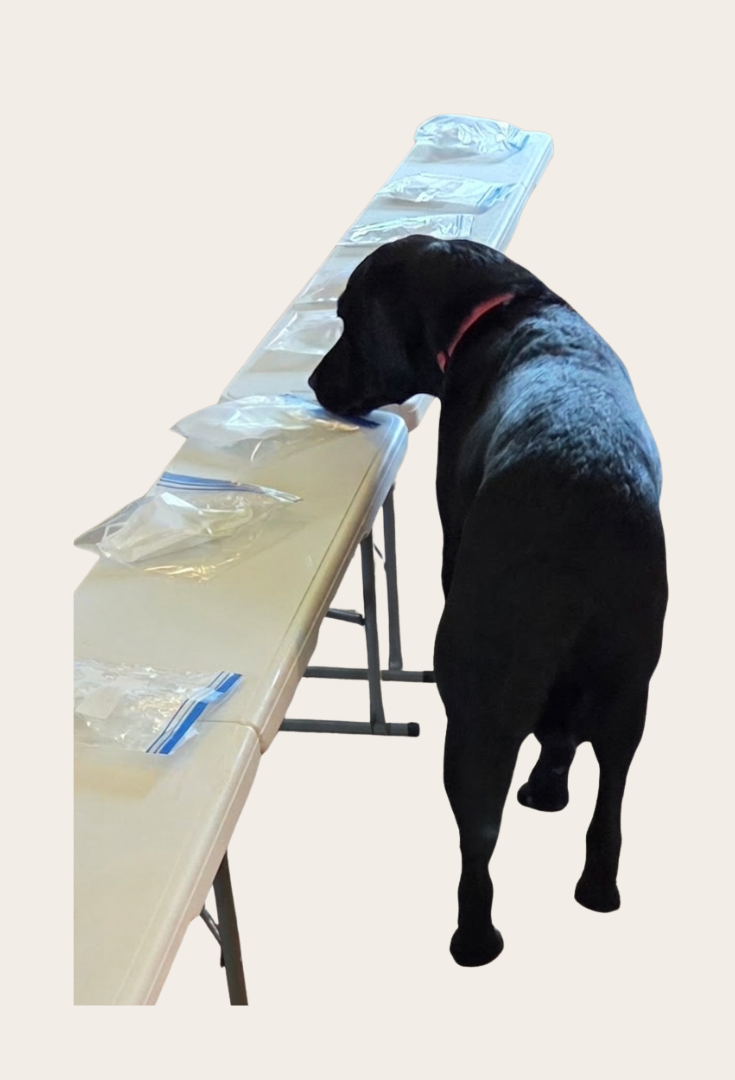
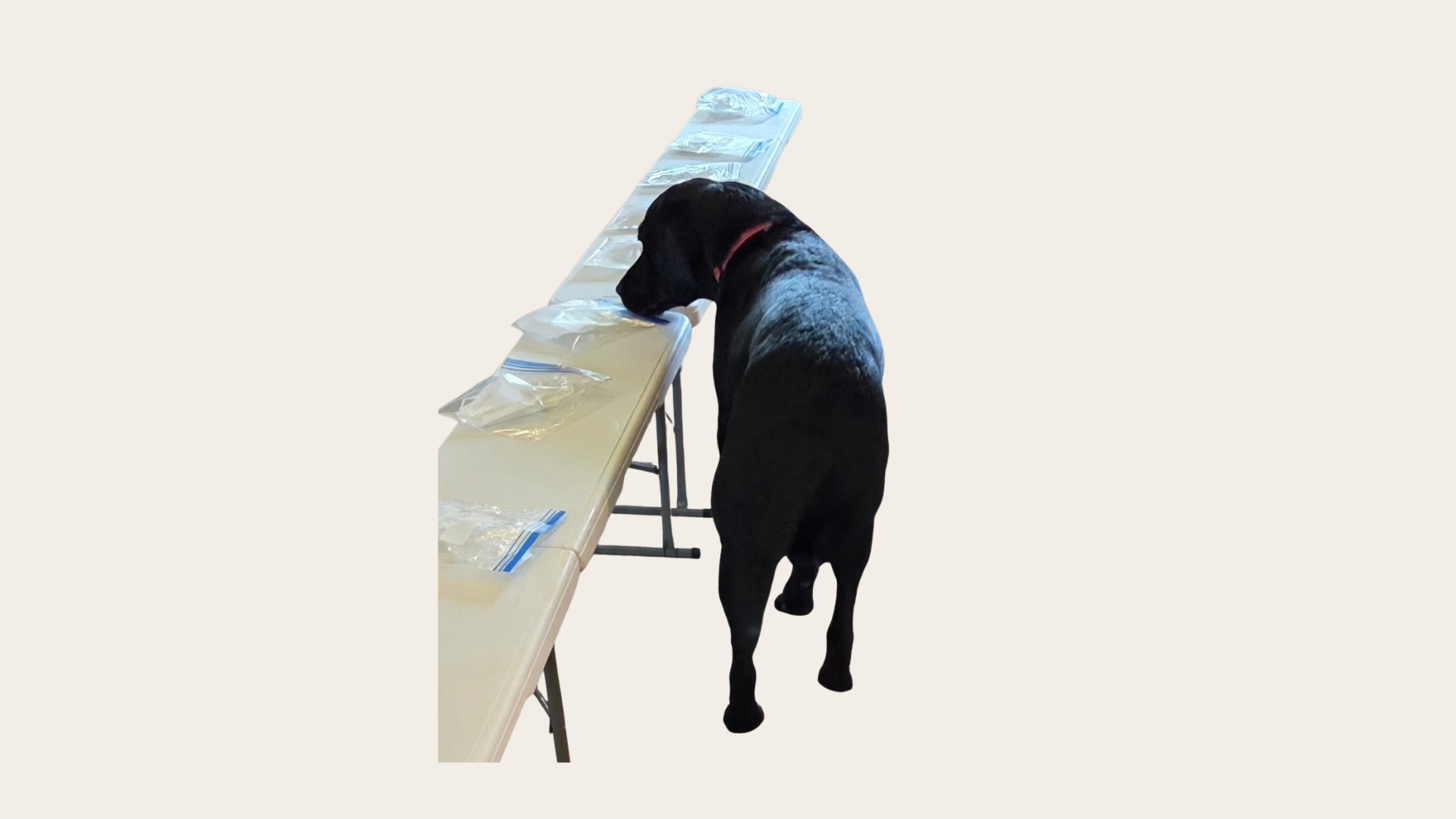
Watch a controlled scent-work screening — the same double-blind protocol used in every facility program.
Real scent targets · Double-blind protocol · Handler-independent indication
See our dog work a controlled screening scenario at your facility — before any program commitment. No obligation.
Fill in your details and we'll reach out within one business day.
info@advancedbioanalytic.com · (765) 585-1563 · Veedersburg, IN 47987